


Raw food, the way nature meant it.For your whole pack.
Give your dogs the same regeneratively raised beef we feed our own family — clean, USDA-inspected, and ready for the bowl. One share, one set of standards, two species worth of dinner.
One share, two species, zero shortcuts.
Most "raw food" sold for dogs is the trim that human grocers wouldn't sell — old meat, organ scraps, mystery rendering. Our raw is the same beef going on our family's table: regeneratively grazed, dry-aged, USDA-processed.
You're not buying "dog food." You're buying premium beef and feeding part of it to your dog. That's the whole pitch.
- Identifiable muscle meat — not "meat meal" or rendered byproducts
- Zero corn, soy, wheat, or grain fillers — nothing your dog wasn't designed to eat
- Flash-frozen at processing so it stays fresh in your freezer for up to 2 years
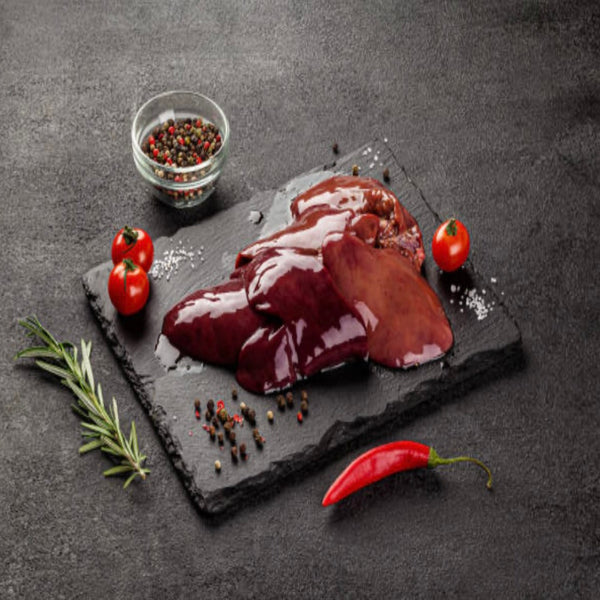
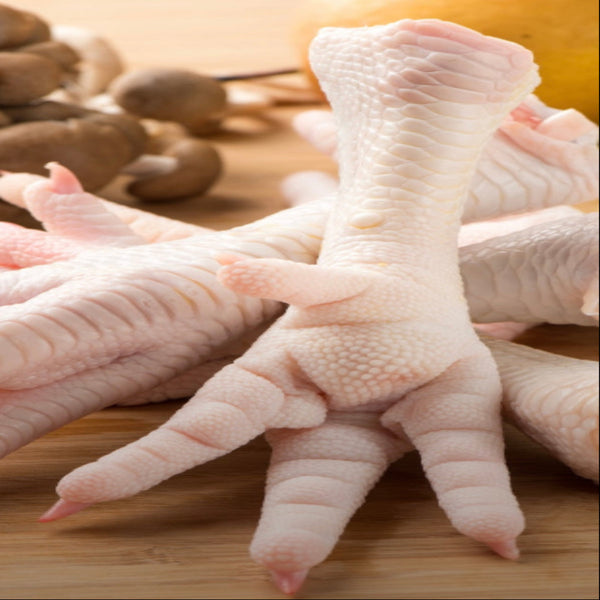
- Order organs, bones, and trim separately — or in bundles built for raw feeders
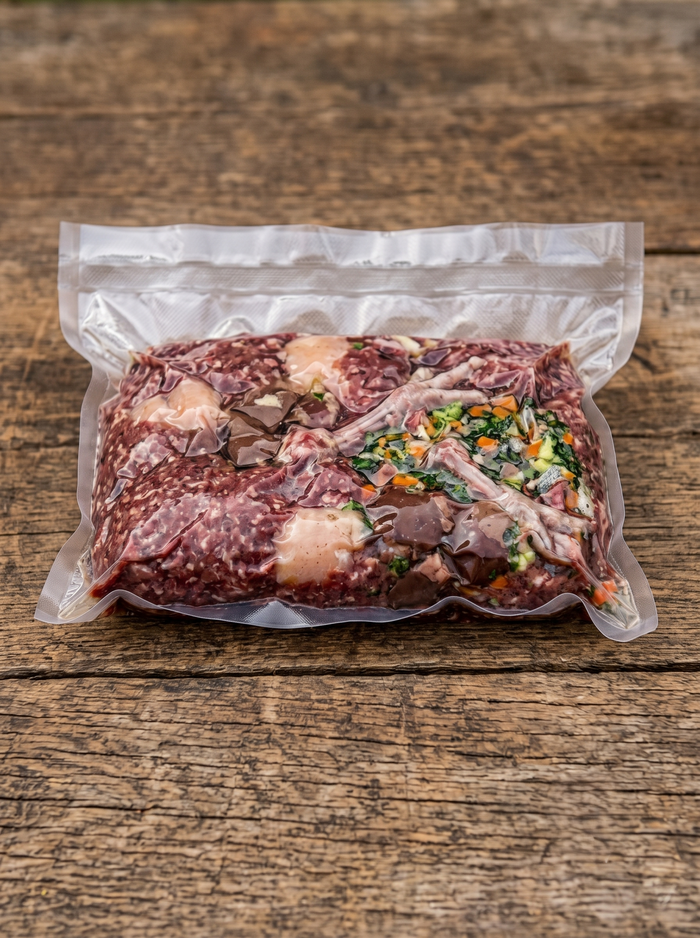
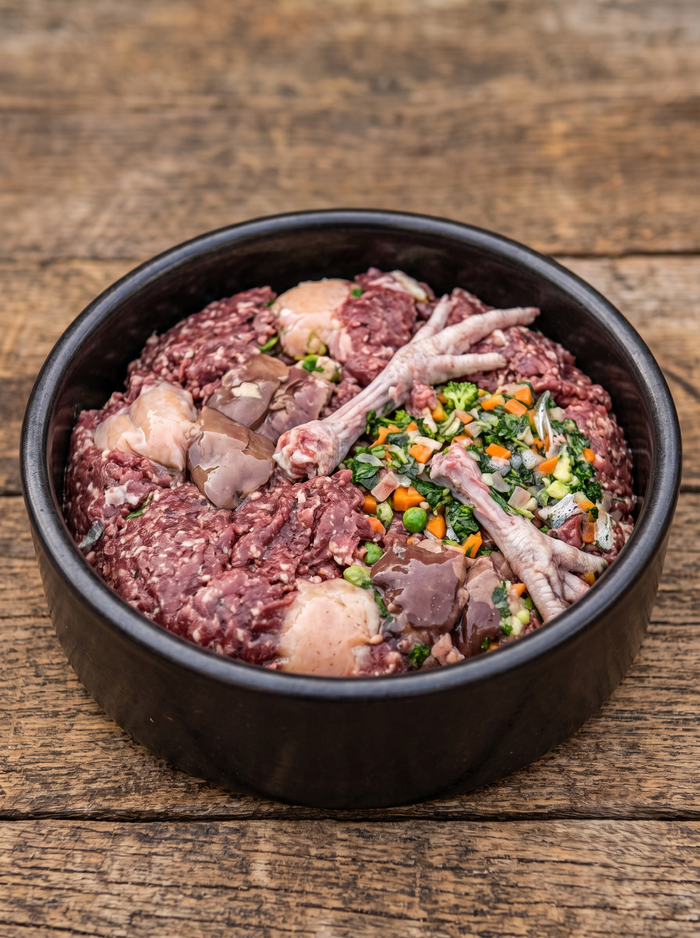
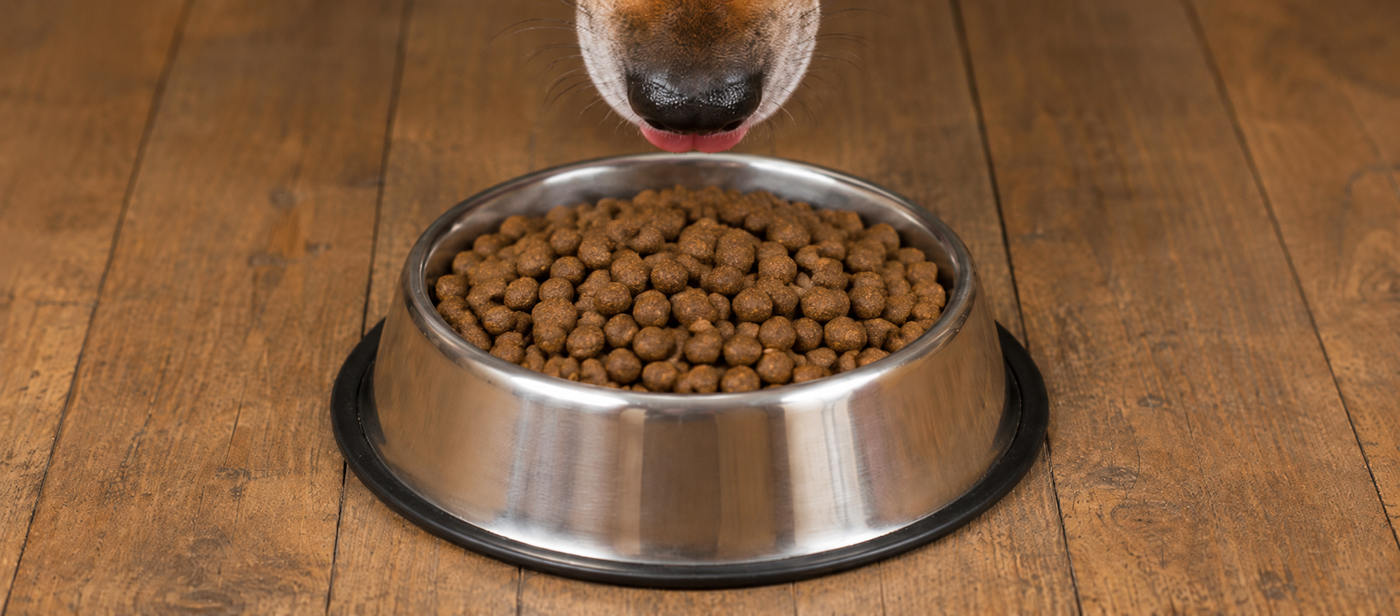
Real ingredients vs. processed pellets.
It's not the same thing. It's not even close. Drag the slider — here's what's actually going in the bowl.
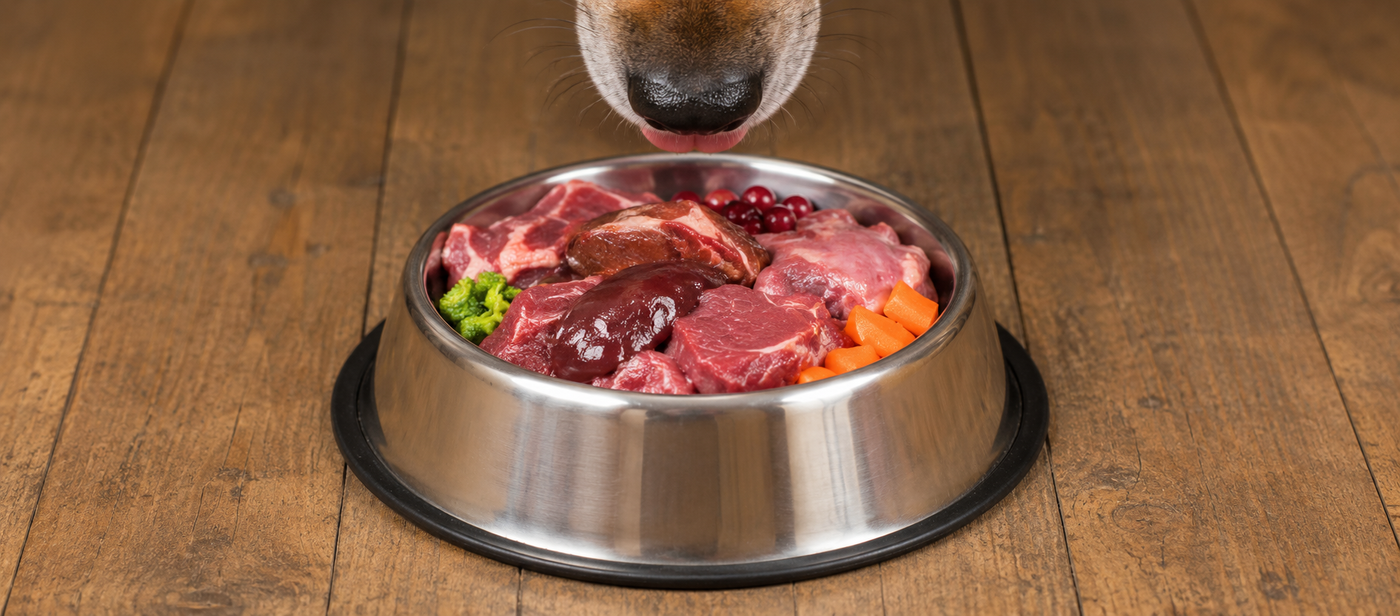
Real meat, not "meat meal."
Our grass-fed beef is identifiable muscle meat, organs, and bones — not the rendered "meat meal" and mystery proteins you'll find in kibble.
Fillers, grain-heavy, sprayed flavor.
Most kibble bulks up with corn, wheat, and soy — fillers that pad the bag but provide zero nutritional value to your carnivorous dog.
Bundles & cuts for raw feeders.
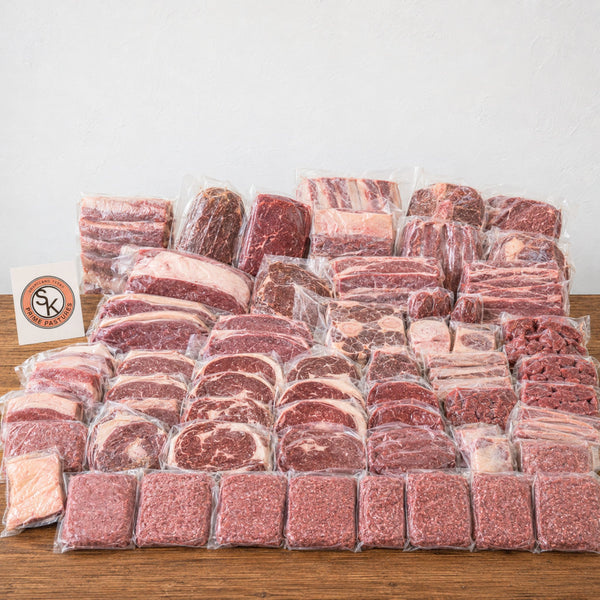
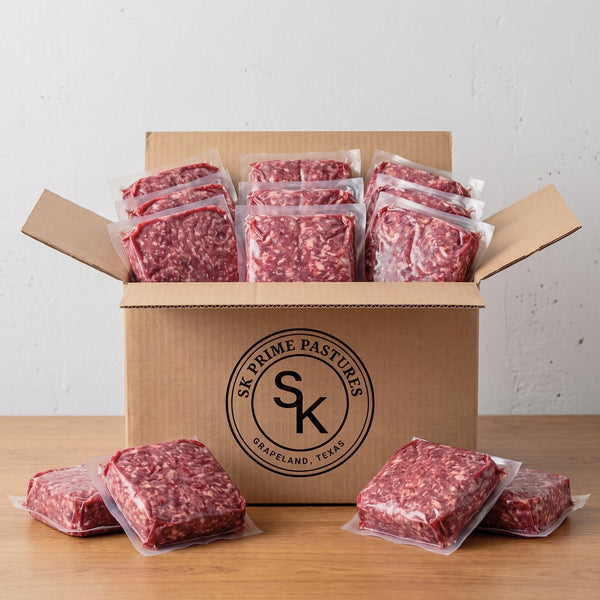
Start with a share, or grab a bundle built around what dogs actually need: muscle meat, organs, bones.
How raw works around here.
Four small steps, no shortcuts, no mystery rendering.
A quarter or half share works great for a single dog plus family. Or grab the organ and bones bundles à la carte.
USDA-inspected, dry-aged 14 days, cut and wrapped to your spec. Flash-frozen for up to two years of family meals.
Meetup pickup in The Woodlands, local delivery by distance, or insulated-frozen shipping anywhere in the country.
Thaw a few days at a time, weigh the daily ration, mix in organs and bones, and you're feeding the way nature intended.
How much, by dog size.
A starting point. Active dogs and puppies eat more; senior dogs eat less. Adjust to body condition.
- 10 lb dogsmall breed
- ~3–5 oz / day
- 25 lb dogmedium breed
- ~7–10 oz / day
- 50 lb doglarge breed
- ~14–18 oz / day
- 80 lb doggiant breed
- ~22–28 oz / day
- Two-dog pack~70 lbs combined
- ~20–24 oz / day
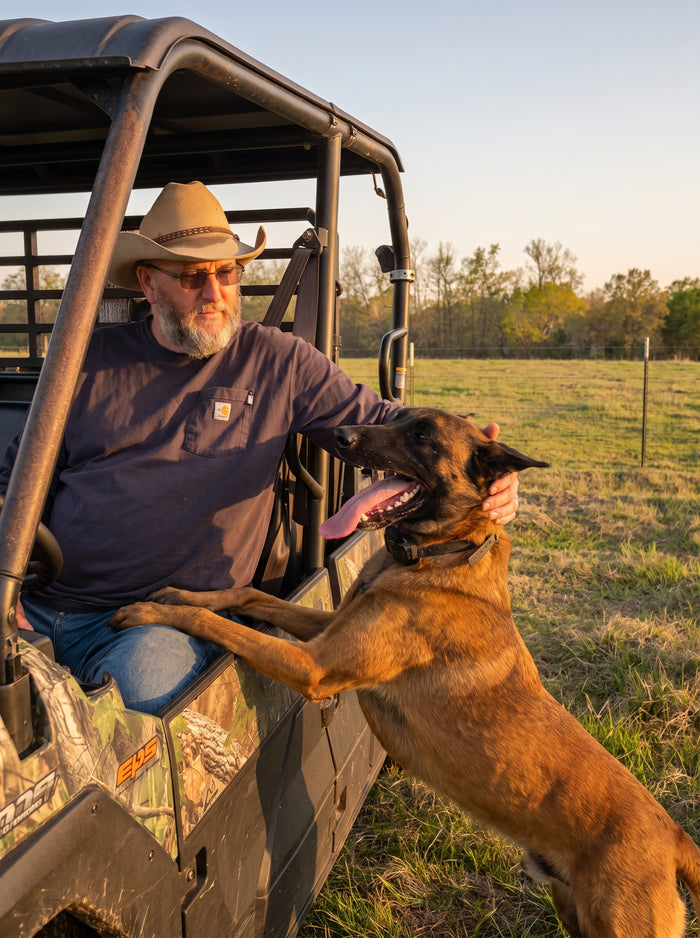
"Switched our shepherd over a year ago. Coat got better in a month, energy is up, and we're not buying ten-pound bags of overpriced kibble anymore. Same beef goes in the freezer for us too — that's the part nobody tells you about."
What raw feeders ask first.
Is raw feeding safe for my dog?
Yes — when you're starting with USDA-inspected, properly handled meat. Dogs are biologically built for raw protein and have shorter, more acidic digestive tracts than humans. The risk isn't the rawness; it's mystery-source meat handled badly. Our beef goes through the same processor that handles our family's table cuts.
How do I transition my dog from kibble to raw?
Most folks do a 7–10 day fade — mixing raw in with their current food and tilting the ratio over the week. Adult dogs usually handle it easily; older dogs and sensitive stomachs benefit from a slower transition.
How much raw food should I feed my dog?
Roughly 2–3% of body weight per day, split between muscle meat (~70%), bones (~10%), and organs (~10–20%). See the portion chart above — and adjust based on body condition, age, and activity level.
Can I feed the same beef to my family and my dog?
That's the whole idea. One share, two species. Cook the cuts your family eats; feed the trim, ground, and organs raw to your dog. You're buying one premium protein source instead of paying twice — once for "human food" and once for "dog food."
How long does a share last in the freezer?
Up to 2 years flash-frozen. Realistically, a quarter share feeds a single 50 lb dog plus moderate family use for around 6–9 months. A half share handles a year easily.
Ready to feed your pack like family?
Reserve a share, grab a starter bundle, or text us your dog's weight and we'll tell you what to start with.